
Health
Pennsylvania measles cases rise to 1,433, state health department says
By Erik Svenson
Advertisement · Why this ad?
Lila Johnson is a seasoned business reporter with a background in finance, having graduated from the University of North Dakota. She has previously worked with local business journals and focuses on small business success stories and entrepreneurial initiatives.
More from Lila →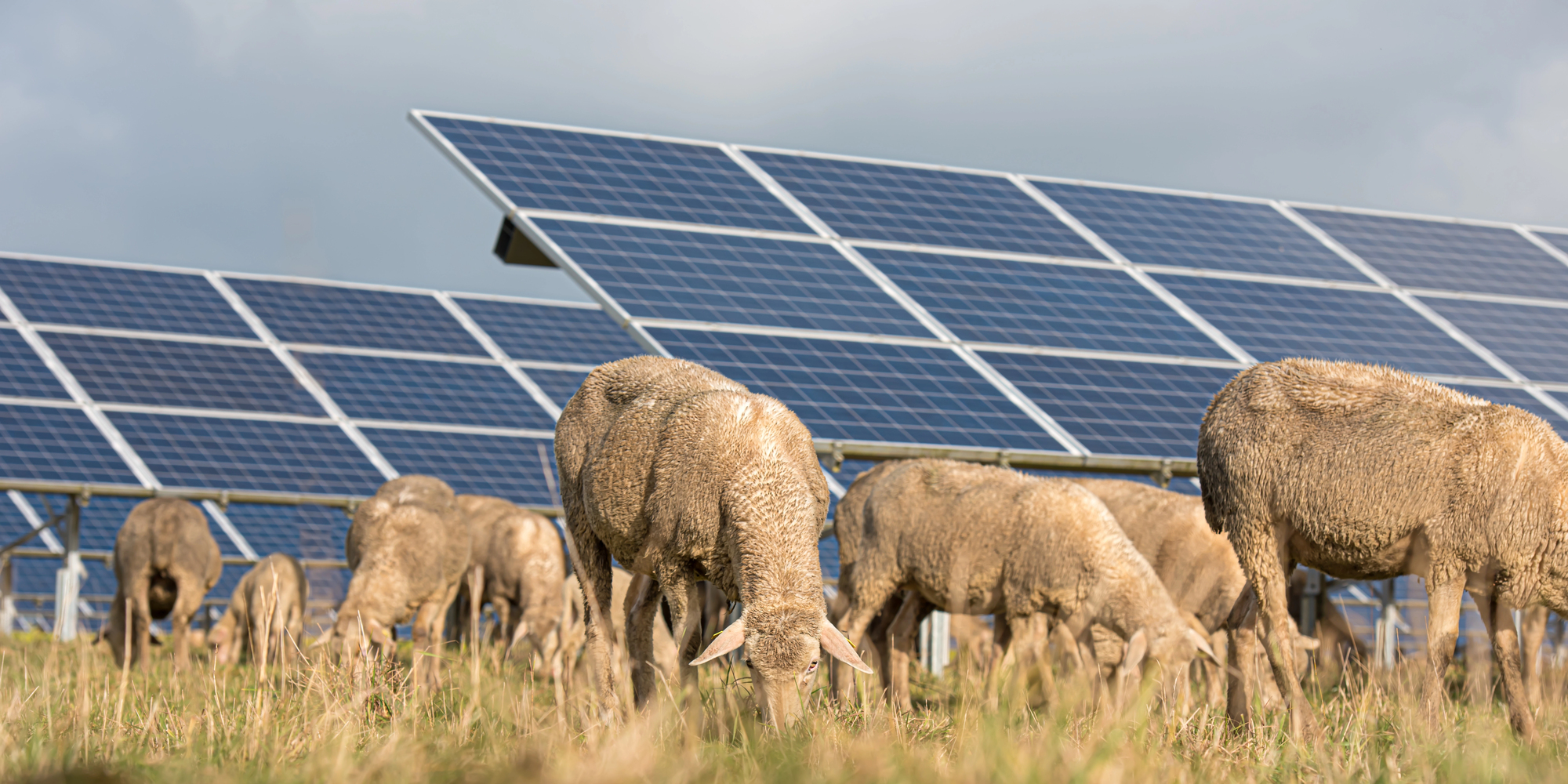
On a crisp autumn morning in Fargo, farmers are gathering, not just to discuss the harvest, but to explore the future of agriculture. Among them is Sarah Thompson, a local rancher whose family has been in the cattle business for generations. As she sips her coffee, she excitedly shares her plans to integrate solar energy into her grazing practices, inspired by the new online course offered by the University of Minnesota Extension. This course, titled Introduction to Solar Grazing, is set to launch on November 1st and aims to equip farmers with the knowledge to blend livestock grazing with solar energy production.
The University of Minnesota Extension has recognized a growing trend in dual-use land management, which is becoming increasingly relevant in the agricultural sector. This innovative approach allows farmers to diversify their revenue streams while still maintaining active agricultural land use. The online course is designed for farmers and agricultural landowners who are curious about integrating livestock grazing with solar energy production.
The course covers foundational principles of solar grazing, contrasting grazing within solar facilities with traditional home pastures. Participants will learn about site safety protocols, the management of vegetation under solar panels, and the overall benefits of this sustainable practice. As more farmers look for ways to adapt to changing economic conditions and environmental challenges, this course provides the necessary tools to evaluate solar grazing's fit for their operations.
The Introduction to Solar Grazing course is self-paced, allowing participants to learn at their convenience. With open enrollment, farmers can access the material from anywhere, making it an accessible option for those with busy schedules. The course is structured to provide a comprehensive overview of solar grazing practices and industry standards.
Key topics include foundational principles that introduce participants to the concept of solar grazing, site overview and safety, and effective vegetation management strategies. This knowledge is vital for farmers like Sarah, who are eager to explore innovative ways to sustain their livelihoods while contributing to renewable energy goals.
The response from the local farming community has been overwhelmingly positive. Farmers like Sarah Thompson see the course as a valuable opportunity to gain insights into integrating renewable energy with traditional practices. “I’ve always believed in the importance of sustainability in agriculture,” she says, “and this course seems like a perfect way to enhance our operations while being environmentally conscious.”
Local agricultural groups are also rallying around the initiative. The Fargo-Moorhead Chamber of Commerce has highlighted the course as a way to support local farmers in adapting to the evolving agricultural landscape. By offering educational resources, they aim to empower farmers to make informed decisions that align with both their economic needs and environmental responsibilities.
The potential impact of solar grazing extends beyond individual farms. As farmers adopt these practices, they contribute to a larger movement toward sustainable agriculture in the region. By integrating livestock grazing with solar energy production, they can create a more resilient farming model that supports both economic viability and environmental stewardship.
Moreover, the course aligns with national trends in agriculture, where farmers are increasingly looking for ways to diversify their income sources. According to the U.S. Department of Agriculture, innovative practices such as solar grazing can help mitigate the financial pressures faced by farmers, especially in challenging economic climates.
In a region like Fargo, where agricultural traditions run deep, the integration of solar grazing could also signify a cultural shift. Farmers are not only stewards of the land but also key players in the fight against climate change. By adopting renewable energy practices, they can set an example for future generations, demonstrating that agriculture can be both productive and sustainable.
The enthusiasm surrounding the course is palpable among local farmers. In addition to Sarah, other community members like Mark Johnson, a grain farmer, are considering how solar grazing might fit into their operations. “I think it’s crucial for us to explore every avenue available. Solar grazing could provide an alternative income stream, especially as we face unpredictable weather patterns and market volatility,” he explains.
Community meetings are being organized to discuss the implications of solar grazing further. Local agricultural extension agents have been instrumental in facilitating these discussions, ensuring that farmers have the support and resources they need to make informed decisions. “We’re here to help farmers navigate these changes and find solutions that work for their unique situations,” says Lisa Martinez, an extension agent with the University of Minnesota.
Looking ahead, the University of Minnesota Extension plans to expand its offerings related to solar grazing and other sustainable practices. As more farmers express interest in renewable energy, the need for education and resources will only grow. Sarah Thompson and her fellow farmers are hopeful that this course is just the beginning of a broader movement toward sustainability in agriculture.
As the course officially opens on November 1st, it promises to be a pivotal moment for farmers in the region. With the ability to learn at their own pace and access valuable resources, participants can better prepare themselves for the future of farming. The integration of solar grazing into local practices could very well redefine the agricultural landscape in Fargo and beyond.
For those interested in enrolling in the course or learning more about solar grazing, additional resources are available through the University of Minnesota Extension's website. Farmers are encouraged to take advantage of this opportunity to enhance their knowledge and explore new avenues for revenue generation.
As Sarah Thompson reflects on her family's legacy in farming, she feels a renewed sense of hope. “We have to adapt to survive,” she says. “This course is a step toward ensuring that our farm can thrive for generations to come.” With strong family values and a commitment to sustainable practices, local farmers are poised to embrace the future of agriculture.
Furthermore, as the push for renewable energy grows stronger nationwide, initiatives like this course may also attract the attention of policymakers and investors interested in sustainable agriculture solutions. The potential for funding and grants aimed at supporting solar grazing projects could provide additional financial incentives for local farmers. This could lead to a transformative shift in the agricultural landscape, not just in Fargo but across the Midwest.
As the farming community prepares for the launch of the course, there is a palpable sense of optimism. The hope is that solar grazing will not only enhance individual farm operations but also contribute to a more sustainable future for agriculture as a whole. Farmers are eager to share their experiences and learn from one another, creating a collaborative environment that fosters innovation and growth.
By Erik Svenson

By Emily Chang
By Carlos Martinez

By Marcus Grey