North Dakota childhood vaccination rates continue slide
Lydia Smallwood is a seasoned journalist with a degree in Business Communication from the University of Minnesota. With six years of writing for local publications and a focus on small businesses, she brings stories of innovation and resilience to the forefront.
More from Lydia →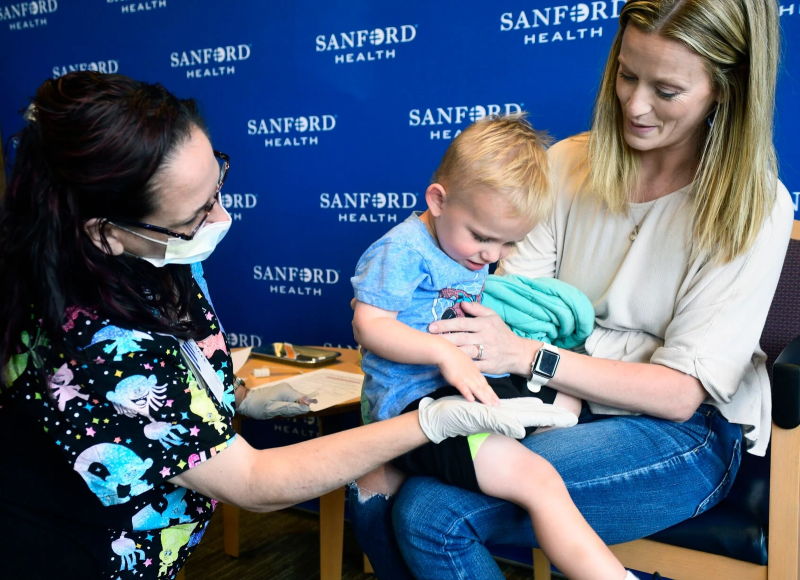
In this story
As the sun rises over Grand Forks, a sense of urgency fills the air. Parents hurry to drop off their children at school, but among them, a growing number of families are grappling with a tough decision: to vaccinate or not. This dilemma is not just a personal choice; it reflects a troubling trend across North Dakota. The state is witnessing a significant decline in childhood vaccination rates, particularly for measles, as misinformation and vaccine skepticism continue to spread. This decline poses a serious threat to community health, making it imperative for families to engage in informed discussions about immunization.
What Happened
Recent reports indicate that North Dakota's infant vaccination rate for the MMR (measles, mumps, and rubella) vaccine has plummeted to 76.1%, a stark drop from 94.8% in 2019. This decline has raised alarm bells among health officials, especially as national measles cases have surged to over 4,500, doubling from the previous year. Mary Woinarowicz, the immunization director at North Dakota Health and Human Services, emphasizes the critical nature of maintaining vaccination rates to ensure herd immunity. "Having a rate at or close to 95% provides for 'herd immunity,'" she explains, noting that lower vaccination rates increase the risk of community spread.
The implications of this decline are profound. Kylie Hall, director of North Dakota State University's Department of Public Health Center for Immunization Research and Education, warns that scattered measles cases may become more frequent if vaccination rates continue to fall. "When a case of measles enters a highly vaccinated community, it's going to be very contained. However, in communities with low vaccination rates, it can spread rapidly," she cautions. This reality underscores the importance of community-wide participation in vaccination efforts.
Community Impact
In Grand Forks County, the current MMR vaccination rate stands at 80%, slightly above the state average but still concerning. Local health officials are taking proactive steps to address the issue. Angie Seidel, health services coordinator at Bismarck-Burleigh Public Health, reports a noticeable increase in inquiries from parents regarding vaccination status, particularly following recent measles outbreaks. "We’ve seen parents who were once hesitant come in to get their children vaccinated, motivated by the fear of the disease and the potential exclusion from school," Seidel notes.
This shift in parental attitudes highlights the emotional weight of vaccination decisions. As families grapple with the consequences of vaccine hesitancy, the community is left to bear the burden. Woinarowicz acknowledges that North Dakota has been fortunate that recent measles cases have primarily occurred in areas with higher vaccination rates, which has helped limit the spread. However, this fortunate trend cannot be taken for granted, especially as vaccination rates decline statewide.
Local Voices on Vaccination
The conversations surrounding vaccination are not just statistics; they are personal stories woven into the fabric of the community. Local parents like Sarah Johnson, a mother of two in Grand Forks, reflect the concerns many families face. "I always believed in vaccinations, but the last few years have made me question a lot of things," she shares. "I want to protect my kids, but I also want to understand what I’m putting in their bodies." This sentiment resonates with many parents who are seeking clarity in the midst of conflicting information.
Community leaders, including local educators and healthcare professionals, are stepping up to facilitate these discussions. Schools are hosting informational sessions where parents can ask questions and receive guidance from trusted medical professionals. These initiatives aim to create a supportive environment where families feel empowered to make informed health decisions.
The Importance of Education
Education plays a pivotal role in addressing vaccine hesitancy. Woinarowicz emphasizes the need for clear communication about the dangers of measles and the importance of vaccination. "Measles is severe. It spreads easily and can cause significant illness," she warns, pointing to recent hospitalizations linked to the disease. The state has seen a decline in all recommended infant vaccinations since 2019, with hepatitis B vaccination rates at 79.04% and hepatitis A at a concerning low of 55.55%.
Moreover, the rise in non-medical exemptions for vaccinations due to moral or philosophical reasons has increased from below 1% to nearly 2%. This trend indicates a growing divide in the community regarding vaccine acceptance. Poll data from KFF reveals that while a majority of supporters of the Make America Healthy Again (MAHA) movement express confidence in the MMR and polio vaccines, trust in others like hepatitis B and flu vaccines remains divided.
Community Health Initiatives
In response to these concerning trends, local health departments are ramping up community health initiatives to educate families about the importance of vaccinations. Free vaccination clinics are being organized in various neighborhoods, making it easier for parents to access immunizations for their children. These clinics often feature not only vaccinations but also educational materials and one-on-one consultations with healthcare professionals.
One such initiative, “Vaccines for All,” aims to reduce barriers to access by providing transportation assistance for families who may struggle to reach clinics. This program has received positive feedback from community members, with many expressing gratitude for the support. Local resident Tom Rivera, who utilized the program for his children, stated, "It’s a relief to know that help is out there. I want my kids to be healthy, and this makes it easier for us to do that."
Respiratory Vaccination Concerns
As the fall respiratory virus season approaches, health officials are also concerned about the lagging rates of flu vaccinations, currently at 15.3%. This figure mirrors the trend seen in previous years but remains below pre-COVID levels. Woinarowicz warns that a decline in vaccination rates can lead to a potential increase in cases of respiratory illnesses, including influenza and COVID-19. "Vaccines are one of the best ways to stay protected against respiratory illnesses," she states, emphasizing that while vaccines may not prevent disease entirely, they significantly reduce the risk of severe illness and hospitalization.
Interestingly, Seidel notes a different trend in the Bismarck-Mandan region, where older populations have shown eagerness to receive vaccinations. "Our clinics are actually really full right now with the 65 and older crowd," she shares, highlighting the importance of targeted outreach to encourage vaccination among vulnerable populations.
Looking Ahead
The recent uptick in parental inquiries about vaccinations is a hopeful sign, but health officials stress that ongoing education is critical. With four pediatric deaths from influenza reported last year, the urgency for vaccinations, especially for infants, cannot be overstated. Woinarowicz urges families to consult their healthcare providers about necessary vaccinations, as direct conversations can help alleviate concerns and foster trust in the vaccination process.
As North Dakota navigates these challenging times, the community's commitment to education and vaccination will be essential in reversing the troubling trend of declining vaccination rates. Families are encouraged to engage in open discussions about immunization, recognizing that the health of their children—and the community at large—depends on informed choices. Together, we can work towards a healthier future for all.